

 Britania Williams
Will New Leagues Like Unrivaled and Project B Take Over?
The Women’s National Basketball Association (WNBA) has been a cornerstone of professional women’s basketball for nearly three decades. But as the league enters 2026, it’s facing its toughest moment yet: tense labour negotiations, rising player dissatisfaction, and competition from new leagues that promise better pay and flexibility. The big question on many fans’ minds is this. Is the WNBA’s future in jeopardy — or could it be reshaped for the better?
What’s Happening in the WNBA Right Now?
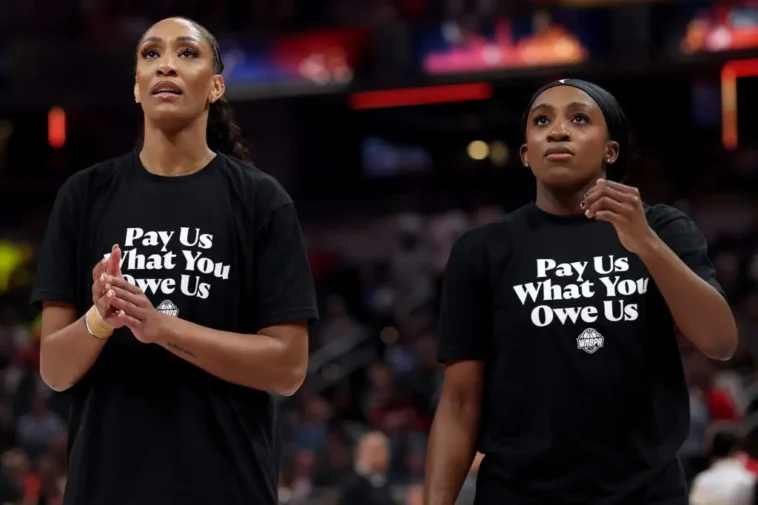
At the center of the conversation is labor — specifically the Collective Bargaining Agreement (CBA) between the league and the Women’s National Basketball Players Association (WNBPA). The previous CBA expired, and both sides have struggled to agree on a new deal. The WNBA has made CBA proposals with higher average salaries and improved benefits. However, the players’ union has pushed back, saying the changes don’t go far enough. They insist players should receive a share of gross revenue (revenue before expenses) rather than net profits after expenses. (KSAT)
The negotiations have reached a standstill, with union leaders like Nneka Ogwumike and Napheesa Collier expressing frustration at the slow progress and what they describe as outdated approaches.
At the same time, league officials want players to prioritize the WNBA — meaning they’d play only in the WNBA and not in offseason leagues — something many players resist.
Why Are Players Unhappy With the WNBA?
Several key factors explain why some players are openly critical of the status quo:
1. Compensation and Revenue Sharing
Despite record growth in viewership and sponsorships, WNBA salaries remain significantly lower than what many players believe they’re worth. Proposed salary increases have been welcomed by some, but the union insists players deserve a percentage of gross revenue, not just incremental raises. (KSAT)
2. Overseas Necessity
For years, many WNBA players have played overseas during the offseason because they can earn far more abroad than in the U.S. That pattern underlines the league’s compensation issues and adds wear and tear on players’ bodies. New leagues like Unrivaled and Project B aim to provide alternatives that keep players in the U.S. or offer better pay overall. (The Associated Press)
3. Prioritization Rules
Some proposed CBA terms could interfere with players’ ability to play in other leagues like Unrivaled or Project B by requiring them to focus solely on the WNBA season — something many players, especially veterans and those with families or global opportunities, find restrictive and potentially unfair. (High Post Hoops)
4. Workload and Sustainability
Many players speak openly about burnout. With back-to-back seasons — overseas, WNBA, then offseason — the physical and mental demands can be intense. Some have said they need more balance and respect for their bodies and personal lives, which newer leagues may better accommodate. (High Post Hoops)
Enter Unrivaled and Project B — What Are They?
Unrivaled: A Player-Founded 3×3 League
Unrivaled was co-founded by WNBA stars Napheesa Collier and Breanna Stewart as an 8-week, 3-on-3 league in Miami that pays players substantially more than the average WNBA salary and offers a compact, player-first experience. It has raised substantial funding, signed many top WNBA players, and even provides amenities like childcare and higher day-to-day pay. (The Associated Press)
The league’s model gives players equity and competitive compensation and has expanded its teams and roster for 2026, with many players under contract through 2028. (Front Office Sports)
Breanna Stewart has said that although Unrivaled and Project B are different formats — 3×3 vs. traditional 5×5 — they’re not inherently competitors yet, but both are giving players options. (EssentiallySports)
Project B: A New 5×5 Global League
Project B is an upstart five-on-five professional league with global aspirations. It has signed stars like Nneka Ogwumike, Alyssa Thomas, and Jonquel Jones, and is expected to offer higher salaries and equity stakes than the WNBA, although full financials haven’t been publicly disclosed. (ESPN.com)
Unlike Unrivaled’s Miami-centered model, Project B plans to operate internationally with multiple teams and tournaments around the world, potentially challenging the WNBA’s primacy in elite women’s basketball. (ESPN.com)
Is This the End of the WNBA?
It’s unlikely that the WNBA will simply disappear. The league still holds strong brand recognition, major media rights deals, expansion teams, and a place in the traditional sports calendar. The record viewership and revenue growth of recent seasons show that it’s still thriving on many levels.
That said, the rise of new leagues and player dissatisfaction do represent a crossroads:
- If players find more satisfying environments — financially and culturally — elsewhere, the WNBA could face talent drain.
- Unrivaled and Project B, by offering higher pay and player ownership stakes, might entice stars away, fragmenting the women’s basketball ecosystem.
- Even critics of the WNBA acknowledge these alternatives don’t have to be zero-sum; success in one league could elevate all of women’s basketball. (The Associated Press)
Some commentators have even suggested that if negotiations continue to stall and players choose alternate routes, it could weaken the WNBA’s influence — though this is debated. (Awful Announcing)
How Could a Middle Ground Be Reached?
A sustainable solution likely lies in compromise and innovation, such as:
- Modernizing the CBA to give players a fair share of revenue and more control over their careers.
- Allowing players flexibility to participate in offseason opportunities without strict exclusivity.
- Embracing partnerships with leagues like Unrivaled or Project B that enrich rather than replace the WNBA calendar.
- Marketing women’s basketball as a unified ecosystem, with players moving between formats and markets.
This kind of cooperative approach could elevate the sport as a whole, rather than create isolated silos that compete for the same talent pool.
Conclusion
So, is the end of the WNBA near? Not likely — but the league is unquestionably at a turning point. The WNBA’s future will depend on its willingness to adapt to player demands, embrace competition from new ventures, and rethink how professional women’s basketball can flourish in the modern era. Unrivaled and Project B are not just challengers — they’re catalysts pushing the sport toward a more dynamic and player-centric future.
The real question now is not whether the WNBA survives, but whether it will evolve into something bigger and better — for players and fans alike.




GIPHY App Key not set. Please check settings