

 Britania Williams
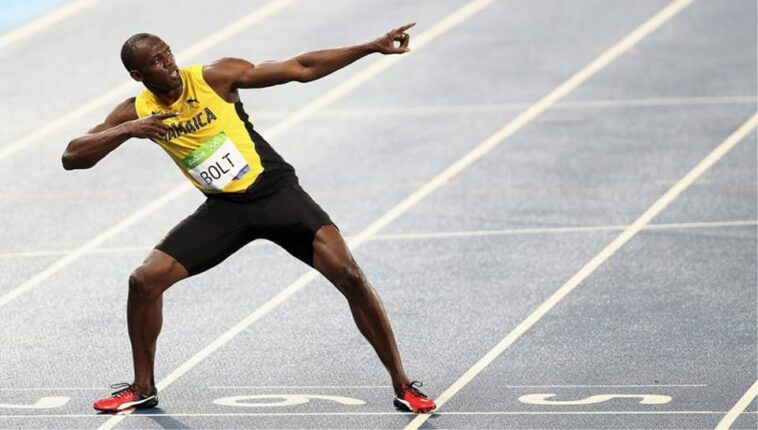
In today’s era, athletes are more powerful than ever. The modern athlete is no longer confined to the track, field, court, or pool. They are business entities, cultural influencers, media personalities, and social leaders. Gone are the days when an athlete could win multiple medals yet struggle financially after retirement. With lucrative endorsement deals, equity partnerships, digital platforms, and global visibility, many athletes now have the power to choose whom they work alongside—or to walk away entirely. Yet, despite this evolution, a critical imbalance remains. Only a small percentage of athletes ever become global brands.
This raises an important question. Why do athletes like Usain Bolt, Lionel Messi, Serena Williams, Michael Phelps, Cristiano Ronaldo, and Lewis Hamilton transcend sport, while others with similar or even greater competitive success do not?
The answer is simple, but uncomfortable. Performance opens the door. But, image, identity, and intention determine how far an athlete goes.
As Jamaican cultural icons like Masicka and Elephant Man have long reminded us—image is everything. Sport is no different. Once athletes recognise that their career is bigger than competition, they begin to operate differently. At that point, it stops being only about medals and starts being about legacy.
Within the Jamaican context, several structural, cultural, and individual factors explain why only a handful of athletes successfully become global brands.
1. Performance Is the Entry Point—Not the Differentiator
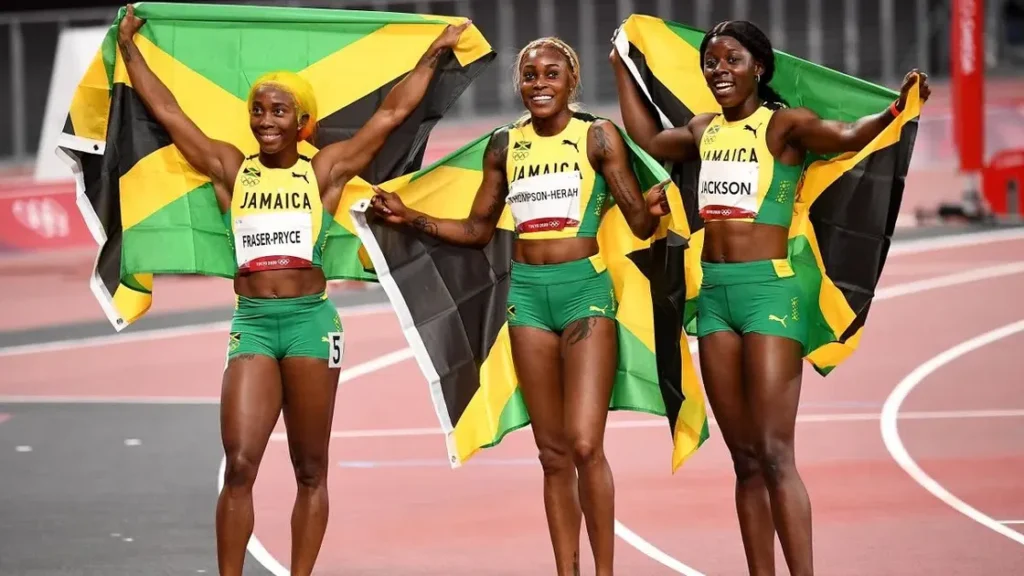
Elite performance is a prerequisite, but it is no longer a differentiator. At the highest level of global sport, excellence is expected. What separates one athlete from another is not just winning, but how that winning is packaged, communicated, and sustained.
Athletes who become brands understand that medals are moments, but brand equity is cumulative. Every interview, social media post, public appearance, and decision contributes to how they are perceived.
Many athletes mistakenly believe that success alone will attract opportunities. In reality, brands invest in stories, values, and alignment, not just results.
2. Public Image and Reputational Discipline
A recurring challenge for many athletes—particularly in smaller sporting economies—is poor or inconsistent public image management. Some athletes lack a digital footprint. Others are constantly associated with controversy, unprofessional conduct, or negative media narratives.
This does not mean athletes must be perfect. Authenticity allows for vulnerability and growth. However, repeated reputational damage signals risk to sponsors and partners.
Being introverted is not a disadvantage. Silence is not. Absence, however, is costly. Athletes who do not actively shape their image leave it to others—media, fans, or critics—to define it for them.
3. Personality, Identity, and Authentic Storytelling
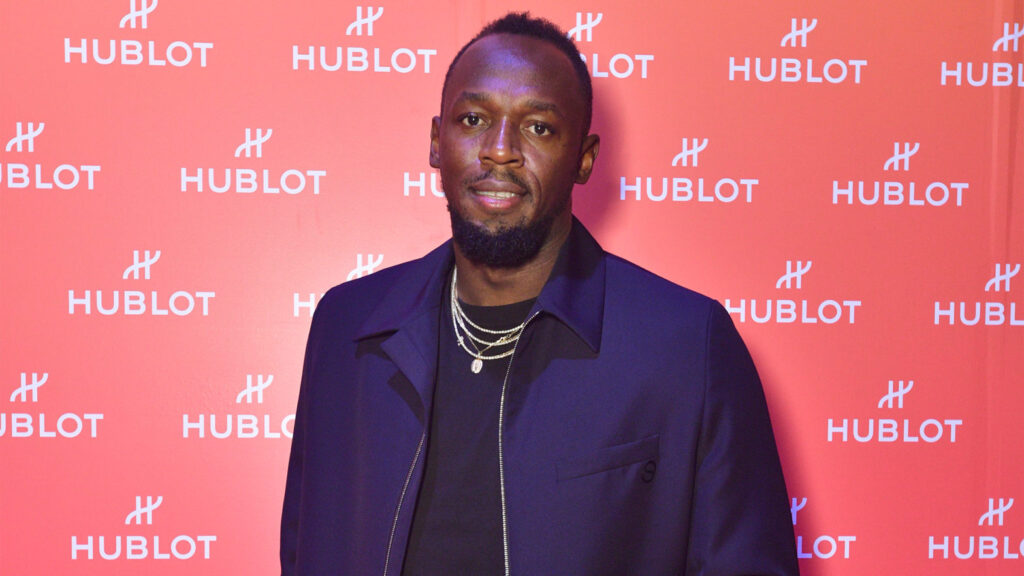
Every global athlete brand is rooted in personality. Not manufactured personality, but identity.
Not every athlete needs to be charismatic in the same way. Usain Bolt’s showmanship, Shelly-Ann Fraser-Pryce’s warmth, Noah Lyles’ openness, and Serena Williams’ assertiveness are all different expressions of self. What matters is clarity and consistency.
Audiences and brands want to know:
- Who are you outside competition?
- What do you believe in?
- What shaped you?
- What frustrates you about your sport?
- What are your interests beyond training?
Athletes who share their routines, setbacks, motivations, vulnerabilities, and purpose build emotional connection. That connection is what drives loyalty, influence, and commercial value.
4. Playing It Too Safe in a Culture That Rewards Distinction
Many athletes are advised to “stay neutral” and “say nothing.” While caution is necessary, complete neutrality often results in invisibility.
Modern brands and audiences value principled individuality. Athletes who stand for something—mental health, education, equity, community development—become more relatable and more investable.
However, discernment is critical.
5. Alignment, Values, and Strategic Caution
Not all visibility is good visibility. Aligning publicly with violence, misogyny, hate, illegal activity, or extreme political positions can destroy an athlete’s brand before it matures.
Athletes must understand that every public alignment is strategic, whether intentional or not. Global brands prioritise safety, inclusivity, and reputational stability. Values misalignment is often a deal-breaker, regardless of performance.
6. The Absence of Professional Brand and PR Support
One of the most significant gaps in athlete development is the lack of professional brand and public relations support. Too many athletes attempt to manage media, social platforms, sponsorships, and crises alone.
A competent PR or brand professional helps athletes:
- craft a coherent narrative
- manage media engagement
- build credibility
- prepare for interviews
- protect reputation during controversy
PR is not about fabrication. It is about strategy, protection, and longevity.
7. Legacy Building and Intellectual Property Ownership
Athletes who become global brands think beyond their competitive lifespan. They protect and monetise their intellectual property—names, logos, slogans, signature poses, and personal stories.
From CR7 to Usain Bolt’s Lightning Bolt, ownership creates long-term value and leverage. Athletes who fail to protect their IP often lose control of their most valuable asset—their identity.
8. The Blurring of Sport, Culture, and Business
The modern athlete influences how people:
- dress
- train
- eat
- think
- consume media
- engage with social issues
Athletes today shape fashion, music, film, wellness, technology, and activism. When Lewis Hamilton releases a fashion line, it sells out. Anytime Serena Williams invests, companies scale. As Eliud Kipchoge speaks on education, institutions listen.
This cultural relevance—not just competition—is what defines a global athlete brand.
Supporting Athletes Beyond Performance
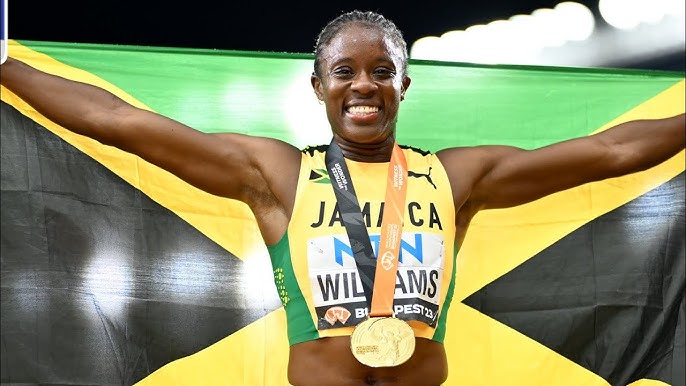
For many athletes, the barrier is not talent or discipline, but access to guidance, platforms, and education that help them navigate life beyond sport.
876-411 contributes by providing athletes with a credible, thoughtful media space to share their stories beyond results and headlines. Through long-form features and athlete-led narratives, athletes gain visibility while retaining authenticity and control over how they are portrayed.
EduSage Consulting supports athletes through strategic guidance rooted in communication, governance, and ethics. This includes brand positioning, media readiness, reputation management, intellectual property awareness, and long-term career planning. The focus is not on commodifying athletes, but on equipping them with knowledge and structure to protect themselves and build sustainable futures.
Together, these platforms contribute to an ecosystem that values education, dignity, and longevity, rather than short-term hype.
Legacy Now Means More Than Medals
Legacy today includes:
- businesses built
- communities uplifted
- barriers broken
- opportunities created
- stories preserved
Performance may open doors, but brand determines what remains when the applause fades.
The future of sport belongs to athletes who understand that their greatest power lies not only in what they achieve—but in who they are, what they stand for, and how intentionally they shape their influence.
Written by:
Britania Williams
CEO, EduSage Consulting
Sports Governance, Branding & Media Strategist
Contributor, 876-411




GIPHY App Key not set. Please check settings