

 Britania Williams
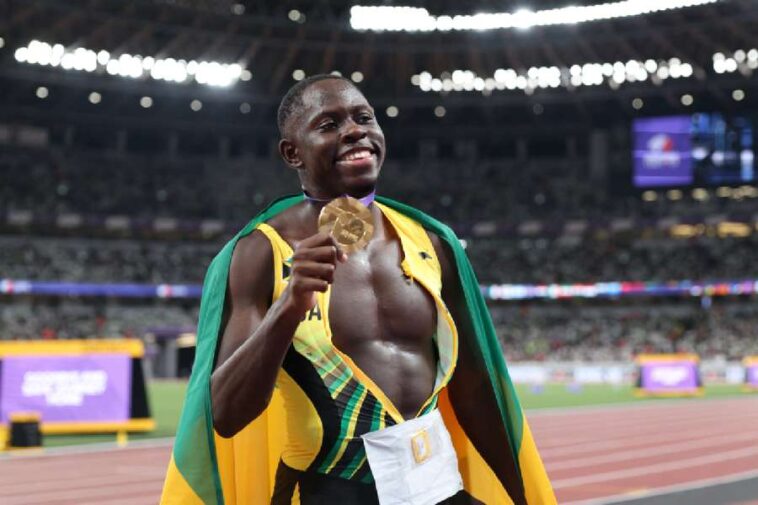
Governance matters more than medals in track and field. Why? Because it provides the essential foundation for the sport’s long-term credibility, sustainability, athlete welfare, and overall integrity. While medals represent peak individual performance, good governance ensures the entire system is fair, transparent, and resilient enough for future generations of athletes to thrive.
The Purpose of Sports Organisations
All sports organisations exist for a purpose and should have a clearly defined mission statement. Setting clear goals and objectives is essential to achieving efficiency and effectiveness.
Sports organisations create meaningful community impact as long as the mission is well understood and specific objectives are aligned with it, supported by a strong organisational culture. Boards should lead stakeholder engagement to answer the question: “Why do we exist?” Inclusion of diverse perspectives ensures buy-in and legitimacy. Also, large, established organisations may need to review their mission statements periodically to ensure relevance and stakeholder alignment.
Jamaica’s Reality
Despite Jamaica’s global sporting prominence, governance challenges remain. Concerns have been raised regarding selection processes, transparency, and athlete support. For example:
- Selection and Incentives: Questions arise about why the same technical director represents the team at meets and how team selections are made. Incentives for athletes are limited, and innovative solutions are needed, such as housing support, subsidised utilities, land for growing crops, health and retirement funds.
- Funding and Compliance: In 2023, the Sports Development Foundation (SDF) provided $248.3 million to national sporting associations (NSAs). However, some associations failed to submit audited financial statements, prompting withheld funding. Proper financial oversight ensures that funds are used efficiently and strengthens accountability.
- Corporate Governance: Business leaders and corporate stakeholders have repeatedly encouraged NSAs to adopt strong governance practices. Consistent financial reporting, transparency, and accountability are critical for attracting sponsorships and maintaining trust.
- Mandatory Governance Codes: Drawing lessons from the UK’s mandatory Code for Sports Governance, Jamaica could implement a code requiring compliance for funded bodies, with advisory support to facilitate smooth adoption rather than punitive enforcement.
A culture of good governance—rooted in transparency, accountability, and stakeholder engagement—will strengthen Jamaica’s sports system from grassroots to elite levels.
Long-Term Sustainability and Credibility
- Financial Stability: Transparent financial management builds trust with sponsors, government, and the public. Without this, organisations risk mismanagement and financial collapse.
- Reputational Protection: Strong governance mitigates corruption and ethical breaches, preserving public trust in the sport.
- Preventing Corruption and Doping: Ethics committees, independent anti-doping bodies, and clear rules act as “lines of defense” to maintain fairness.
Athlete Welfare and Development
- Health Over “Win at All Costs”: Governance ensures athlete health is prioritized over purely medal-focused objectives.
- Fair Opportunities: Democratic and transparent governance helps prevent biased selection and unequal funding.
- Protecting Rights: Athletes benefit from clear rules and accountability mechanisms for raising grievances.
Broad Societal Impact
- Inspiring Future Generations: Governance ensures sport inspires beyond individual success, fostering national pride and community engagement.
- Stakeholder Trust: Internal and external trust is vital for sustainable operations. Additionally, they facilitate support, and autonomy.
In essence, medals are the visible result of a healthy sports ecosystem; governance is the invisible root system enabling sustainable success.
Governance Structures: IOC and Olympic Games
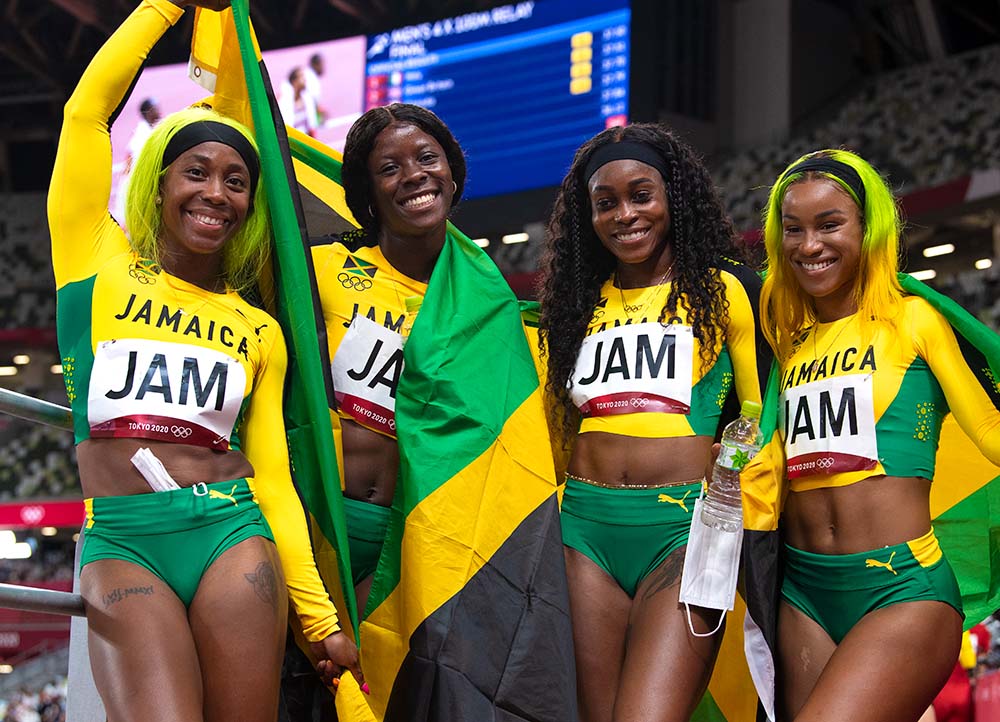
Governance in major sports can be seen through administrative and structural lenses, exemplified by the IOC:
- Level One: Daily management
- Level Two: Management control via Executive Board and commissions
- Level Three: Regulatory oversight (Ethics, Nominations Commissions)
- Level Four: Governance of governance (national courts, CAS, WADA)
- Level Five: Meta-governance (Swiss law, international treaties)
Governance narratives include steering (top-down accountability), networks (horizontal, stakeholder-based interdependencies). They also include good governance (principles of accountability, transparency, efficiency, and participation). In the Olympic Movement, steering and network approaches coexist: the IOC oversees OCOGs, which in turn rely on a network of stakeholders to host Games successfully.
Democratic Governance in Sports Events
Democratic governance emphasizes:
- Performance: Effectiveness, efficiency, economy
- Accountability: Internal (bureaucratic) and external (stakeholder network) responsibilities
- Transparency: Timely disclosure, openness, traceable decision-making
- Participation: Stakeholder engagement, both internal and external
Canada’s Olympic Games provide a practical example (Parent, 2016a, 2016b):
- Stakeholder Engagement: Nationwide coordination with active participation, co-location of key partners, and programs like “Own the Podium”
- Leadership: Consistent leaders with cross-sector networks
- Structural Flexibility: Adaptable OCOG structures, Vteam management, volunteer integration
- Knowledge Management: Systems to gather and share lessons learned
- Innovation: Adoption of new technologies, clear roles, and safety/legacy standards
These elements demonstrate how governance can support large-scale events while fostering accountability, transparency, and collaboration.
Governance in Jamaica: Institutions & Policies
Jamaican sport governance is multi-layered:
- Ministry of Culture, Gender, Entertainment & Sport (MCGES): Policy direction
- Institute of Sports (INSPORTS): Grassroots and school sports development
- Sports Development Foundation (SDF): Funding for infrastructure and participation
- ISSA & SDC: Schools and community sport initiatives
- National Sports Policy: Guides economic and social use of sport
Challenges include governance gaps, financial mismanagement, and the need for mandatory governance codes to attract sponsorship and strengthen institutional performance.
Governance Isn’t Glamorous, But It Will Make or Break Your Sport Organization
Governance isn’t optional—it’s foundational. Strong governance does not stifle passion; it channels it. Furthermore, it protects people, aligns purpose, and builds confidence internally and externally. Leaders must ask:
Do we have governance systems in place to protect our mission and people?
The time to act is now. Normalising governance as a strength, not a burden, ensures long-term sustainability, fairness, and athlete welfare.
Jamaican Athletics: Challenges, Risks, and Recommendations
While Jamaica consistently excels on the world stage in track and field, systemic governance issues within the Jamaica Athletics Administrative Association (JAAA) and other national sporting bodies threaten the long-term sustainability of the sport. If current challenges remain unaddressed, the future of Jamaican athletics could face serious consequences, including:
- Declining Medal Counts: Mismanagement, lack of resources, and inadequate support systems can compromise athlete performance on the global stage.
- Increased Injuries: Without proper medical, physiotherapy, and wellness programs, athletes are at greater risk of career-impacting injuries.
- Athlete Migration: Frustrated by governance inefficiencies, some athletes may transfer to other sports or even represent other countries.
- Reduced Fan Engagement: Poor governance and declining performance can lead to waning spectator interest, affecting sponsorships, ticket sales, and grassroots participation.
How the JAAA Can Improve Athlete Welfare and Sport Development
To address these risks, the JAAA and affiliated bodies must prioritise governance reforms and implement structures that ensure athletes are supported throughout their careers. Recommended measures include:
- Comprehensive Pension Scheme: Establish a retirement fund for athletes, ensuring financial security beyond active competition. This will encourage long-term career planning. It can also reduce post-retirement hardship.
- Health and Wellness Fund: Develop a fund to cover medical, physiotherapy, and mental health needs. This should include preventive care, rehabilitation, and injury-related support to maintain peak performance and longevity.
- Income Protection and Support Clauses: Implement policies that guarantee athletes can meet their essential financial obligations even when sidelined due to injury or other circumstances.
- Temporary and Affordable Housing Solutions: Consider container homes or restricted housing schemes dedicated to athletes. Such solutions allow athletes to focus on training and recovery without financial stress while providing a structured pathway to independent living.
- Structured Stakeholder Engagement: Encourage collaboration between government agencies, sports bodies, sponsors, and community organizations to provide holistic support for athletes.
How Athletes Can Strengthen Their Own Future

Athletes must also take proactive steps to secure their financial independence, personal growth, and professional opportunities:
- Branding and Media Presence: Develop a strong personal brand. Hiring a PR manager or publicist, engaging in social media campaigns, or creating YouTube content can attract sponsorships and long-term opportunities.
- Education and Skill Development: Pursue higher education, vocational training, and entrepreneurial skills to create income streams outside of sport. Investing in knowledge is critical for career longevity.
- Financial Planning and Investment: Allocate a portion of earnings to retirement funds, investments, and emergency savings. Engaging a qualified wealth manager ensures prudent financial management.
- Home Ownership and Asset Building: Securing property or other assets establishes long-term stability and financial independence.
- Responsible Family Support: Many athletes come from modest backgrounds and feel pressure to support family members. Structured financial planning can balance these responsibilities without jeopardizing personal stability.
Systemic Challenges: Athletes Are Not to Blame
It is crucial to recognize that athletes are not the root of the problem. Many are given a “bucket with holes” to carry water—they train, compete, and represent the country while navigating gaps in governance, inadequate support, and limited resources. Too often, athletes retire with minimal savings or career options and must take on full-time jobs while maintaining training, which can physically and mentally compromise their performance.
Strategic Governance Solutions for Long-Term Success
Good governance is the essential framework that can prevent these challenges. By instituting transparent, accountable, and athlete-centred policies, sports organisations can:
- Protect athletes’ health and financial stability
- Ensure fair and equitable selection and funding
- Build trust with stakeholders, sponsors, and fans
- Enable the sport to thrive sustainably, beyond individual medal wins
In Jamaica, this means implementing mandatory governance standards similar to the UK Code for Sports Governance. As a result, this boosts compliance and promotes financial and operational transparency across national sporting associations.
The Role of EduSage Consulting and 876-411
Organisations like EduSage Consulting and 876-411 can support this ecosystem. EduSage specialises in reputation and trust management, crisis management, PR, sports communication, and branding, helping organisations and athletes build credibility and engage stakeholders effectively. Meanwhile, 876-411 covers sports, current affairs, celebrity lifestyle, and international news, assisting athletes and artists in brand promotion, video production, music recording, mixing, mastering, sound design, and business growth. Together, these services can empower athletes to manage
Article Author:
Britania Williams, CEO of EduSage Consulting | Sports Governance, Branding & Media Strategist | Writer & Content Strategist for 876-411




GIPHY App Key not set. Please check settings