

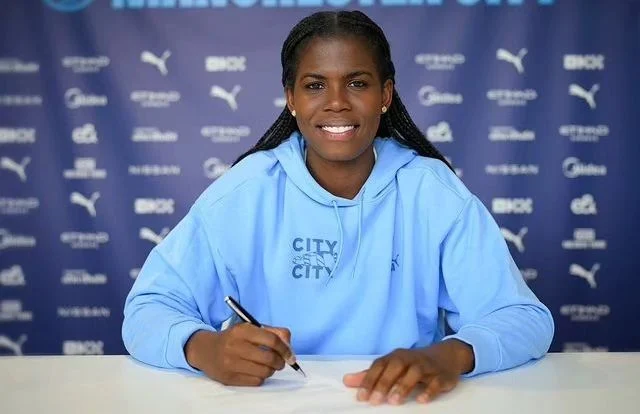
 Britania Williams

According to the New York Times, the global sports industry is estimated to be worth approximately USD $2.3 trillion. Sports can be an incredibly lucrative career, but earning money is only one part of the equation. The real challenge is how athletes build wealth, then manage and preserve it long after the spotlight fades.
Too often, we see athletes — including many in Jamaica — earn substantial incomes during their careers but struggle financially years later. Some end up living paycheck to paycheck, while others rely on public assistance or donations after retirement. In 2026, athletes must take financial management more seriously if they want to build long-term wealth and generational stability.
A research project conducted by the Courage Center of Global Family Firms explored wealth creation and management among elite athletes. The study compared two athletes with vastly different financial outcomes. Boris Becker reportedly earned more than €150 million during his career but later faced severe debt and bankruptcy issues. Meanwhile, Günter Netzer successfully transitioned into business after football, becoming involved with Infront Sports & Media and leveraging his reputation, network, and experience to build lasting wealth. Both men earned large sums of money, but only one successfully sustained it. The difference was financial planning, discipline, and long-term thinking.
Athletes Must Understand Their Career Window

Athletes need to recognize that their careers are often short and unpredictable. Unlike doctors or lawyers who may work for 40 years, many athletes have less than a decade to maximize earnings and fund a retirement that could last 50 years or more.
A single injury, illness, or decline in performance can abruptly end a career. Because of this, athletes cannot approach money casually. Financial mistakes made during peak earning years can have lifelong consequences.
Comparing Athlete Finances to Traditional Careers
Financial Milestone
Professional Athlete
Traditional Professional
Peak Earning Years
Ages 25–35, often only 5–10 years
Ages 45–60 over a longer period
Retirement Planning
Must begin immediately
Can happen gradually over decades
Retirement Duration
50+ years starting in mid-30s
Usually 20–30 years beginning in the 60s
Margin for Error
Extremely low
Higher chance of financial recovery
Source: Commons LLC Wealth Management Insights
Financial Discipline Is Essential

Athletes often apply strict discipline to training, nutrition, and recovery, but the same discipline must also apply to finances.
Just as athletes follow a training program, they should also follow a financial plan:
Create a budget
Limit unnecessary spending
Avoid impulse purchases
Save aggressively
Financial discipline means understanding the difference between wants and needs. Luxury purchases may feel rewarding in the moment, but many depreciate rapidly and create ongoing expenses.
For example:
Owning 15 luxury cars means paying for 15 insurance policies, maintenance plans, repairs, and registration fees.
Expensive yachts and designer items may lose value over time and become difficult to sell.
Athletes should adopt an asset vs. liability mindset:
Assets generate income or appreciate in value.
Liabilities cost money and lose value over time.
Build the Right Mindset Early
Athletes must remember that fame and success can disappear quickly. One injury or health condition can completely alter a career trajectory.
Because of this, athletes should:
Live below their means
Avoid lifestyle inflation
Focus on long-term security rather than short-term appearances
Prepare for life after sports from the beginning of their careers
A strong financial mindset also means understanding that wealth is not about showing off — it is about sustainability, ownership, and freedom.
Assemble a Strong Financial Team

Every professional athlete should build a trusted advisory team, often referred to as the “Core Four.”
Key Members of an Athlete’s Financial Team:
Financial Advisor – investment planning, budgeting, and retirement planning help grow and preserve wealth
CPA/Accountant – tax planning, tax filings, deductions, minimising tax burdens legally
Attorney – contracts, estate planning, legal protection. Protects assets and legal interests
Agent negotiates contracts and endorsements, maximising earning opportunities
Athletes should ensure their financial advisors are fiduciaries — professionals legally required to act in the athlete’s best interest.
Save Aggressively
Many financial experts recommend that athletes save 50% or more of their income during peak earning years.
One of the most effective financial strategies is:
“Live on Salary, Save the Bonus”
Athletes should aim to:
Live primarily on their base salary
Save and invest bonuses
Invest endorsement earnings
Treat extra income as wealth-building capital
This strategy helps build long-term financial security while reducing reckless spending habits.
Learn About Investing
Wealth building is impossible without investing.
Athletes should focus on building stable, diversified portfolios that generate passive income over time.
Recommended Investment Areas:
Index funds
Real estate
Bonds
Stocks
Retirement accounts
Businesses
Gold (for diversification and protection)
Early in their careers, athletes should prioritize:
Emergency funds
Low-risk investments
Capital preservation
As wealth grows, they can gradually diversify into more advanced investments.
Diversify Income Streams
Athletes should never rely solely on playing contracts.
Additional Income Opportunities:
Endorsement deals
Media companies
Podcasts
YouTube channels
Real estate
Merchandise brands
Speaking engagements
Investments in startups
Coaching or mentorship
Modern athletes are increasingly becoming entrepreneurs and media owners. Stars like LeBron James and Serena Williams have shown how personal branding can create wealth far beyond sports.
Athletes today are not just competitors — they are brands.
Build Your Personal Brand
An athlete’s image has value.
A strong personal brand can lead to:
Sponsorships
Business partnerships
Media opportunities
Product lines
Long-term income
Athletes should control their narratives by building their own platforms through:
Podcasts
Social media
Documentaries
Digital content
Community initiatives
This reduces dependence on traditional media and creates ownership opportunities.
Protect Yourself Financially
Athletes should prioritize protection just as much as growth.
Important Protections
Disability insurance
Health insurance
Life insurance
Asset protection strategies
Estate planning
Because athletic careers can end suddenly, insurance is essential.
Estate Planning Matters
Estate planning is often associated with older people. However, young athletes also need protection.
Important Estate Planning Tools
Wills
Trusts
Beneficiary designations
Powers of attorney
Healthcare directives
Gift planning
Athletes should also think carefully before financially supporting extended family and friends. Helping loved ones is admirable. However, athletes must avoid sacrificing their own long-term security.
Instead of constantly giving money away, athletes can:
Help family members start businesses
Pay for education or skills training
Create opportunities for financial independence
Education Is Critical
Athletes should continue learning throughout their careers.
Areas Athletes Should Study
Financial literacy
Entrepreneurship
Business management
Marketing
Branding
Tax planning
Investing
Higher education and continuous learning can help athletes transition successfully into life after sports.
Mental Health and Long-Term Sustainability
True wealth management is not only financial — it is also mental and emotional.
Additionally, athletes should focus on:
Mental health support
Trusted advisors
Long-term planning
Accountability
Personal growth
Key questions every athlete should ask include:
Who can I trust?
Who truly works in my best interest?
What happens if my career ends tomorrow?
If I get injured, what happens next?
Where do my assets go when I die?
Final Thoughts
Athletes have a unique opportunity to create generational wealth. But, success requires more than talent. It requires:
Discipline
Education
Strategic planning
Strong advisors
Smart investing
Long-term thinking
The goal should not simply be to earn millions during a career. The goal should be to build a sustainable life, long after the trophies, contracts, and applause are gone.
Athletes who manage their wealth wisely can create financial freedom not only for themselves, but also for future generations.




GIPHY App Key not set. Please check settings