

 Britania Williams
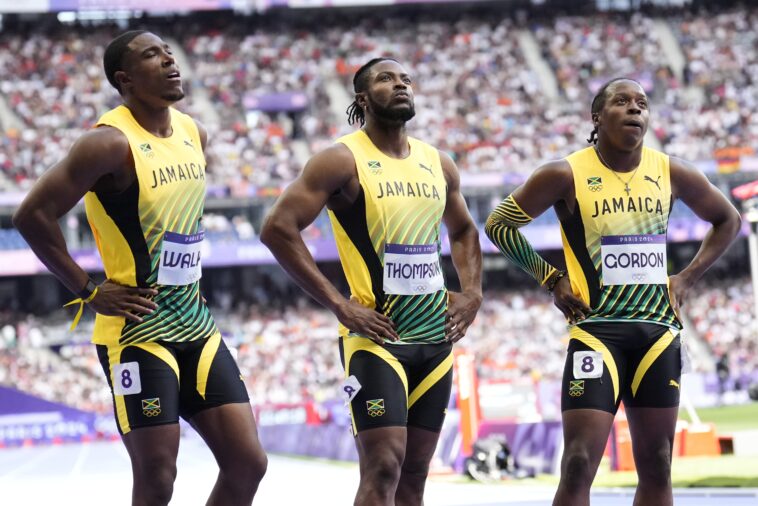
Recent comments made by International Olympic Committee President Kirsty Coventry have sparked disappointment and frustration across the sporting community. In an interview with Sport Nation NZ, Coventry stated that she does not believe Olympic athletes should be paid. For many athletes and supporters, her remarks came across as deeply tone deaf and disconnected from the realities athletes face every day.
What makes the comments even more surprising is that Coventry herself is a former athlete. As someone who once competed at the highest level, many expected her to show greater empathy and understanding toward the financial and personal struggles athletes endure. Instead, her response appeared dismissive of the sacrifices athletes make to represent their countries on the world stage.
The reality is that many Olympic athletes are struggling financially. Countless athletes work full-time jobs while training, simply to support themselves and their families. Many are unsponsored, underfunded, and receive little to no support from their national sporting bodies. For athletes from smaller or developing countries, the challenges are often even greater. Training, travel, nutrition, medical care, and equipment all come at a significant cost.
The Olympic Experience Isn’t Enough
Coventry argued that athletes benefit from “beautiful venues,” “beautiful villages,” and the Olympic experience itself. While those experiences may be memorable, they do not pay bills, cover training expenses, or secure athletes’ futures after competition. Athletes need meaningful financial support, career assistance, healthcare, and long-term benefits — not just symbolic experiences.
Rather than dismissing athlete compensation, the IOC should be exploring sustainable ways to better support competitors who dedicate their lives to sport. Olympic athletes generate billions in global attention, sponsorships, broadcasting revenue, and tourism for the Olympic movement. Yet many of the individuals at the center of that success continue to struggle financially.
Coventry emphasized maintaining the Olympic solidarity model, which focuses on redistributing revenue through development programs and national committees. While those programs are important, they are clearly not enough to address the financial hardships many athletes still face.
Recent examples within sports highlight this growing concern. American Olympians Hunter Armstrong and Cody Miller have openly discussed the lack of financial support available to elite athletes. Both athletes turned to alternative opportunities, including the Enhanced Games and social media monetization, to earn income and continue funding their athletic careers. Their experiences demonstrate a larger issue: elite athletes are increasingly being forced to seek outside avenues simply to survive financially.
Proper Compensation is a Must for Olympians Who Sacrifice So Much
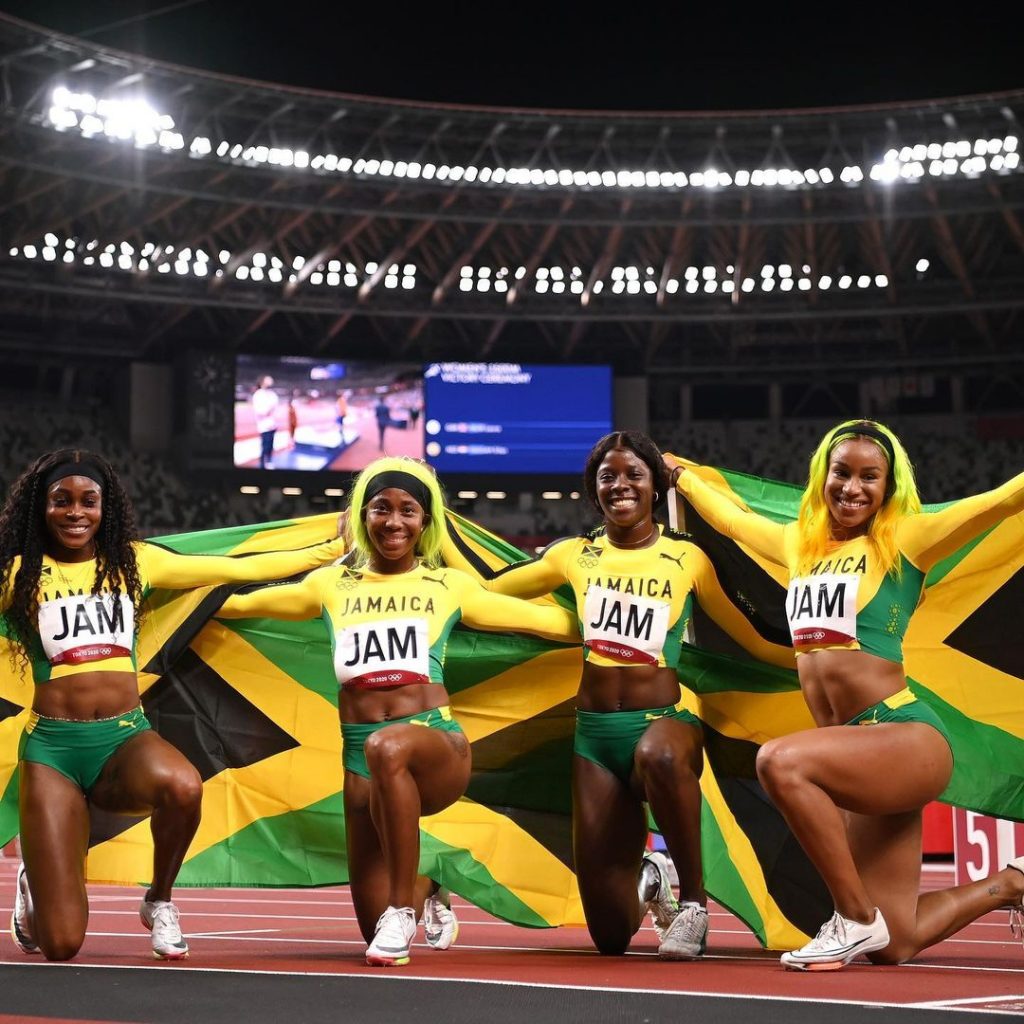
The Olympic movement prides itself on excellence, unity, and inspiring the world. However, supporting athletes should go beyond inspirational messaging and ceremonial experiences. Athletes deserve tangible investment, proper compensation, and systems that protect their well-being both during and after their careers.
Edusage Consulting Can Help
This is where collaboration with organizations like Edusage Consulting could help bridge an important gap. Through strategic partnerships, Edusage Consulting could work alongside the IOC to provide athletes with branding support, media training, sponsorship development, digital marketing guidance, reputation management, and career transition support. Such initiatives could empower athletes to better monetize their platforms, strengthen their public image, and create sustainable opportunities both during and after their sporting careers.
In today’s digital era, athletes are no longer just competitors; they are brands, influencers, and ambassadors. Many athletes possess extraordinary talent but lack the resources, knowledge, or professional guidance needed to secure endorsements and long-term career opportunities. A collaboration between the IOC and firms like Edusage Consulting could help create educational workshops, mentorship programmes, sponsorship readiness initiatives, and personal branding support systems that directly benefit athletes globally, especially those from smaller or underfunded nations.
Leadership within the IOC should reflect compassion, awareness, and a genuine commitment to improving athletes’ lives. Comments that appear dismissive of athletes’ financial realities risk alienating the very people the Olympic movement depends on most.




GIPHY App Key not set. Please check settings