
 Britania Williams
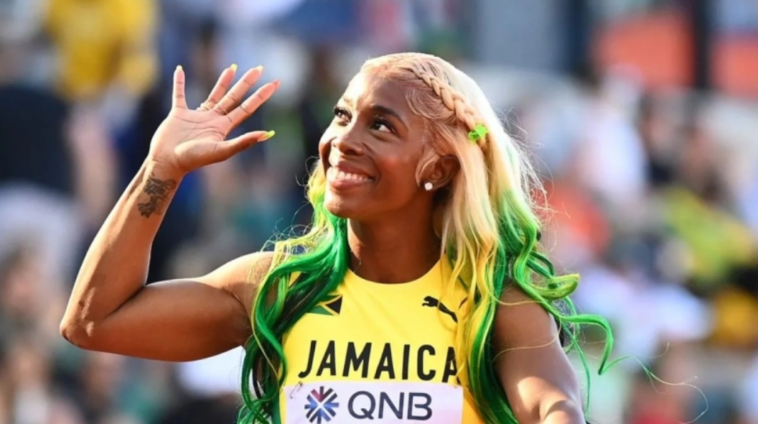
The conversation surrounding athletes in Jamaica often focuses on medals, records, contracts, and championships. However, one of the most important discussions continues to be overlooked: What happens after sports? There remains a major gap in how athletes are prepared for life after sports, including career transitions, financial stability, and identity beyond competition. It is concerning that there is still no widely visible national framework from the Ministry of Culture, Gender, Entertainment and Sport dedicated to helping athletes successfully transition from professional sports into the next stage of life.
Athletic careers are often short, unpredictable, and physically demanding. One injury, one contract issue, one missed season, or one decline in performance can completely change an athlete’s future. Too many athletes wait until retirement — or worse, until a crisis happens — before they begin thinking about life beyond sport. Career transitioning is not optional; it is something every athlete will eventually face. Because of this, preparation must begin early.
Education Must Be Prioritized
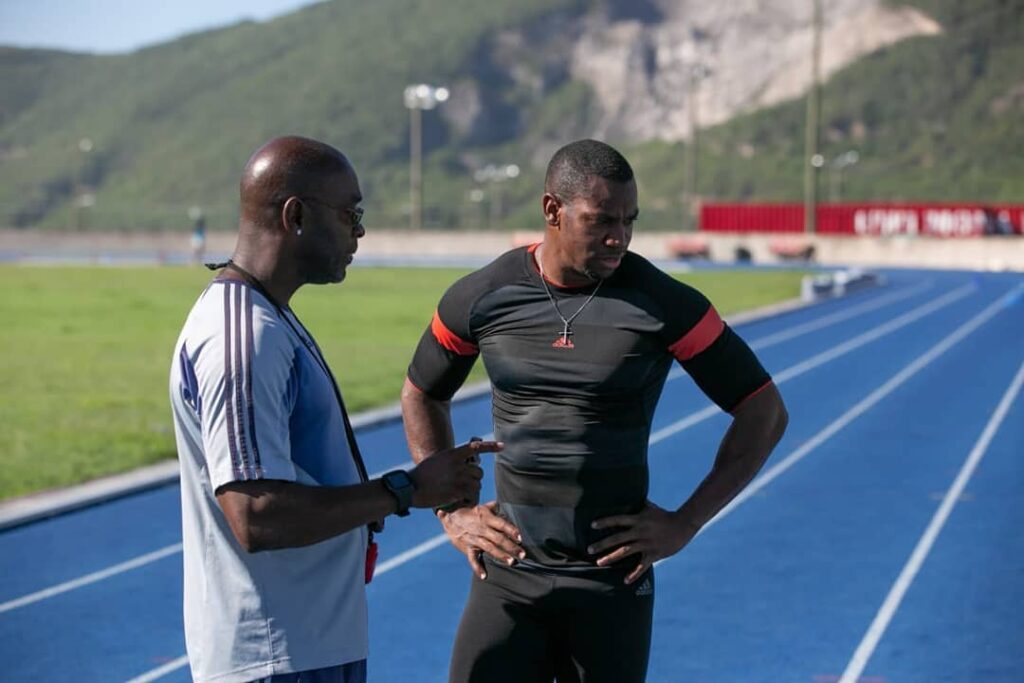
One of the biggest mistakes many athletes make is abandoning education too soon in pursuit of professional opportunities. While some athletes successfully turn professional without completing a degree, not everyone’s journey will look the same. Young athletes must stop comparing themselves to exceptional cases and instead focus on building long-term security.
Education is one of the few things that no one can take away from you. Degrees, certifications, vocational skills, and technical training create opportunities long after athletic careers end. Athletes should view education not as a backup plan, but as an investment in their future.
Not everyone needs a university degree, but everyone needs some form of education or skill development. Athletes should consider:
- Learning a trade or technical skill
- Pursuing certifications
- Studying business or marketing
- Learning digital skills
- Developing entrepreneurial knowledge
- Exploring creative industries
Athletes can also combine their educational background with their sports experience to create unique career paths. A former athlete with knowledge in marketing, psychology, physiotherapy, nutrition, media, or business already possesses a competitive advantage in the sports industry.
The reality is that many people who encourage athletes to “just go pro” may not be around when the money stops flowing. Athletes must therefore make proactive decisions that protect their future.
Identifying Transferable Skills Early
Athletes should not wait until retirement to figure out what they are good at outside of a sport. The same discipline, consistency, teamwork, leadership, communication, and resilience used in athletics can be transferred into many industries.
Professional sports provide income and exposure that can be used strategically to build a second career. Instead of spending every dollar on appearances and luxury, athletes should invest in developing themselves.
For example:
- An athlete interested in beauty could become certified in nails, makeup artistry, or cosmetology and eventually own salons or beauty product lines.
- Someone passionate about fashion could build a clothing brand.
- An athlete interested in media could learn video editing, photography, content creation, or broadcasting.
- Someone passionate about languages could become multilingual, opening doors in international business, tourism, sports diplomacy, and media.
The key is to use the athletic phase of life to build foundations for the next chapter.
Teaching Self-Management
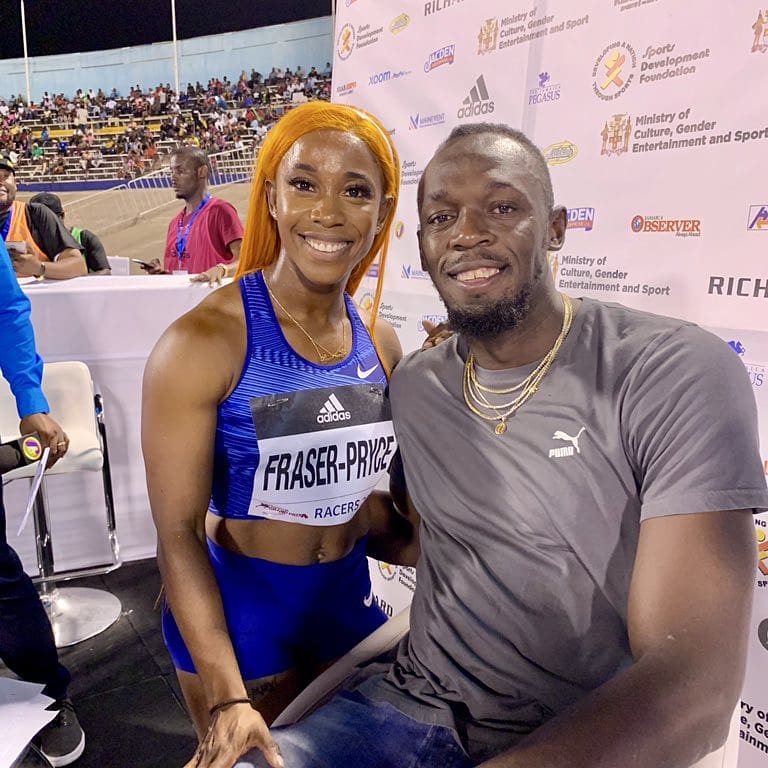
Self-management is one of the most important skills an athlete can develop. Discipline should not only exist during training sessions or competitions — it should shape every aspect of life.
Athletes must learn:
- Financial management
- Time management
- Emotional regulation
- Nutrition and wellness habits
- Personal branding
- Professional communication
- Healthy lifestyle practices
Many athletes struggle after retirement because their lives were heavily structured around training schedules and competition. Developing strong personal habits early helps athletes maintain stability and direction after sports.
Financial literacy is especially important. Athletes should learn how to:
- Budget effectively
- Save consistently
- Invest wisely
- Avoid unnecessary spending
- Build long-term financial security
Living an expensive lifestyle to impress others often creates financial hardship post-retirement. Having nice things is not the problem — lacking financial planning is.
Building Relationships Beyond Sport
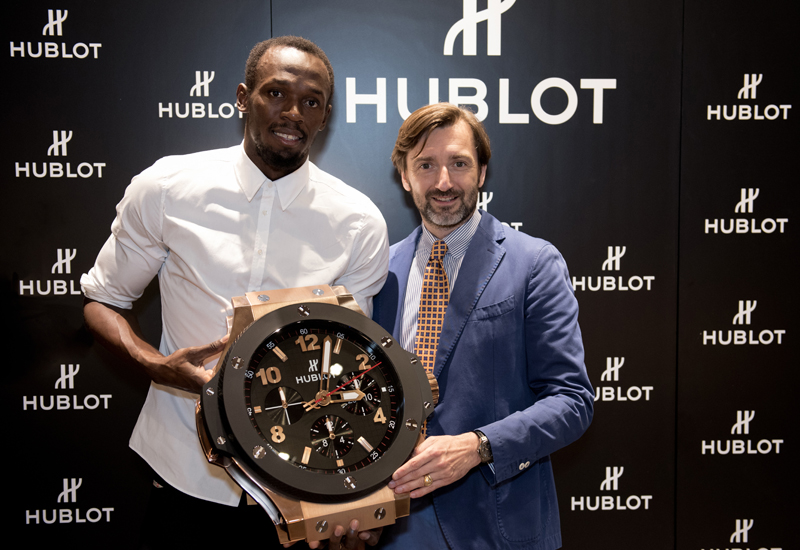
Networking is critical for career development and post-retirement opportunities. Athletes should avoid limiting themselves only to friendships and connections within their specific sport.
The world is full of opportunities, and athletes should not be afraid to take up space in different industries and environments. Attending events, speaking on panels, collaborating with brands, connecting with professionals, and engaging with communities outside sports can create pathways for future careers.
Athletes should:
- Build relationships with professionals outside sports
- Connect with entrepreneurs and business owners
- Collaborate across different sporting disciplines
- Develop relationships with sponsors and organizations
- Engage in community outreach
The broader an athlete’s network becomes, the more opportunities become available after retirement.
Obtaining Professional Guidance
Not every athlete knows how to prepare for life after sports — and that is okay. This is where professional guidance becomes essential.
Athletes should seek support from:
- Wealth managers
- Career coaches
- Mental health professionals
- Sports psychologists
- Public relations professionals
- Branding consultants
- Business advisors
Organizations such as Edusage Consulting are helping athletes navigate every stage of their careers — from junior development to professional competition and eventual retirement. Athlete management today should not only focus on performance, but also on long-term life planning, reputation management, career sustainability, and legacy building.
Coping With Retirement and Preparing for a Life After Sports
Retirement from sports is not only physical — it is emotional and psychological. Many athletes struggle with identity loss because they have spent most of their lives being known primarily as “the athlete.”
Transitioning successfully requires intentional preparation.
1. Develop Habits That Last Beyond Sport
Athletes should create routines that remain valuable after retirement:
- Healthy eating habits
- Financial discipline
- Consistent exercise
- Personal development routines
- Emotional wellness practices
2. Prioritize Physical and Mental Health
Retirement often changes how athletes view fitness and health. Staying active remains important, but so does mental wellness. Athletes should continue caring for their bodies while also addressing emotional adjustment, anxiety, or feelings of uncertainty.
3. Commit to Continuous Learning
Learning should never stop. Retirement creates opportunities to:
- Return to school
- Pursue certifications
- Learn new technologies
- Explore entrepreneurship
- Enter entirely new industries
4. Redefine Identity
Athletes must understand that they are more than their sport. Their value does not disappear when competition ends. Retirement is not the end of purpose — it is the beginning of a new phase.
5. Build Community and Support Systems
Retirement can feel isolating, especially after years of team environments and public attention. Maintaining healthy relationships and building new communities is essential for emotional wellbeing.
6. Create “Career 2.0”
Athletes should actively plan for their second career while still competing. Transitioning becomes much smoother when foundations are already in place.
Potential Career Paths for Retired Athletes
Retired athletes possess valuable experience and insight that can translate into numerous careers, including:
- Coaching
- Sports administration
- Physiotherapy
- Sports psychology
- Athlete mentorship
- Public speaking
- Sports media
- Broadcasting
- Sports analysis
- Entrepreneurship
- Brand partnerships
- Content creation
- Podcasting
- YouTube and digital media
- Event management
- Fitness training
- Talent management
- Sports law
- Youth development programs
Athletes should also be encouraged to explore careers completely outside of sports if those align with their passions.
What the Government Can Do
The Jamaican government and sporting institutions have an important role to play in athlete retirement and transition planning. Supporting athletes should not end once medals stop coming.
Some meaningful initiatives could include:
Establishing a National Athlete Transition Program
A structured program should help athletes prepare for retirement through:
- Career counseling
- Financial literacy workshops
- Mental health support
- Entrepreneurship training
- Scholarship opportunities
- Internship placement programs
Creating Education Incentives
Athletes should be encouraged and supported to complete degrees, certifications, and vocational training while competing.
Providing Mental Health Support
Retirement from sports can lead to depression, anxiety, identity struggles, and emotional distress. Accessible mental health services specifically for athletes are necessary.
Partnering With Businesses and Universities
Government agencies could collaborate with universities and private-sector organizations to provide:
- Scholarships
- Apprenticeships
- Employment pathways
- Career placement opportunities
Supporting Athlete Entrepreneurship
Athletes should have access to:
- Small business grants
- Startup mentorship
- Investment education
- Business incubator programs
Expanding Public Awareness
There needs to be more national conversation surrounding athlete retirement and life after sports. Young athletes should grow up understanding that preparation for the future is just as important as athletic success itself.
Final Thoughts
Sports careers may end, but purpose does not. Athletes are more than medals, statistics, rankings, and records. The discipline, resilience, leadership, and experiences gained through sports can become the foundation for meaningful careers and impactful lives beyond competition.
Preparing for life after sports should never begin at retirement — it should begin from the very start of an athlete’s journey.



GIPHY App Key not set. Please check settings